Our Activities

Recent posts from our activities

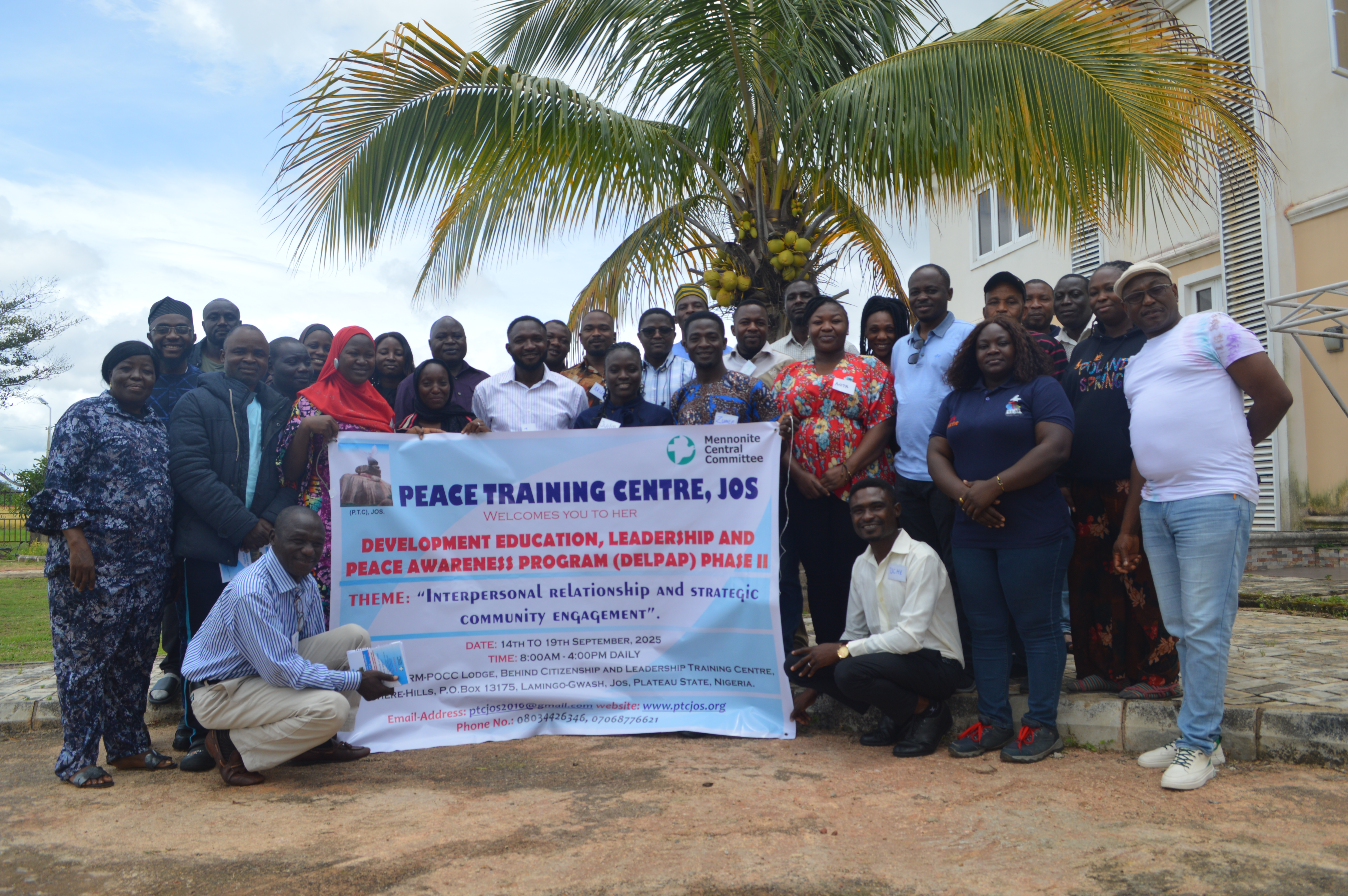
DELPAP Training 2025

Development, Education and Leadership Peace Awareness Program (DELPAP) promotes quality education through awareness, reduced inequalities, peaceful and inclusive societies. Equipping community members with educational resources and leadership skills to empower individuals to address conflict constructively, effect behavioral changes among conflicting parties and foster mutual understanding. This approach also contributes to reducing community development deficits by building local capacities for Peacebuilding and sustainable development, leading to a more resilient and harmonious society.

The DELPAP program promotes integral human development and the integrity of creation through a series of comprehensive action-reflective-action training events, which explore tangible ways to empower community leaders and peace practitioners to address the root causes of conflicts in communities. It advocates for fair development and education, enabling communities to break the cycle of violence. Doing so strengthens inter-ethnic and inter-religious cooperation, transforming conflict-prone/affected communities into resilient, peaceful societies, thereby making substantial contributions to long-term stability and peace.

This program is spread over 4 modules with each module implemented within 5 days to empower community leaders and peace practitioners with knowledge, leadership skills and Peacebuilding tools to lead initiatives that promote understanding, tolerance and cooperation, transforming the underlying dynamics that fuel conflict. The benefits of the training extend beyond the immediate participants to the broader community and future generations because it creates a foundation for sustainable peace and development. The training provides participants with Psycho-Social Methods (PSM) as a tool for engaging communities in assessing community needs, prioritizing, planning and implementing community projects with active participation of the local people using local resources.

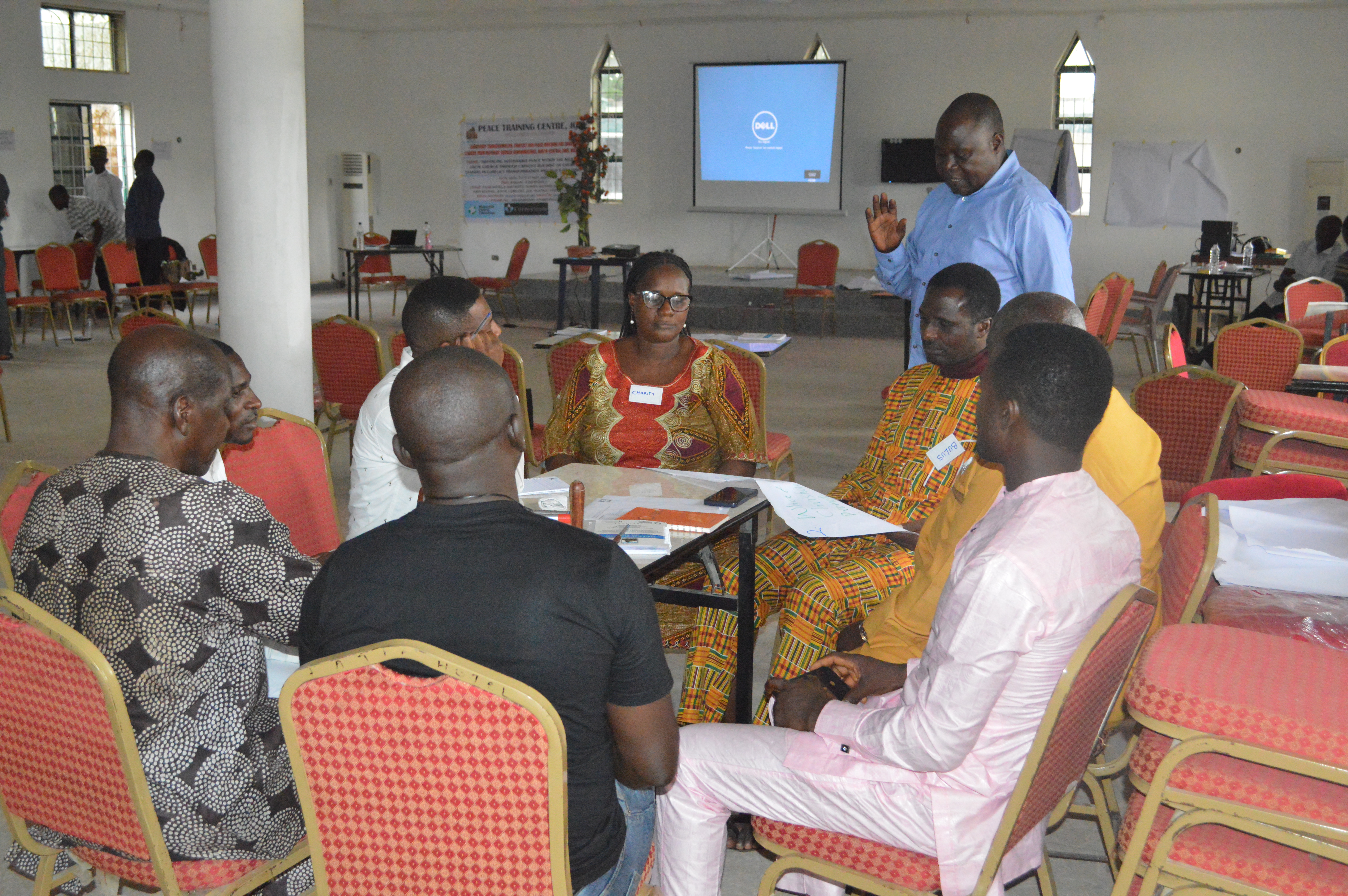
Training on Johari Window Model

At PTC, we emphasize the power of self-awareness, communication, and personal development through the Johari Window Model. This tool is widely used by development and social workers to promote understanding, trust-building, and personal growth. By facilitating open and honest feedback, individuals can enhance their interpersonal relationships, receive psychosocial support, and work toward healing and reconciliation across diverse communities. The model’s four quadrants—Open, Hidden, Blind, and Dark—help individuals and teams navigate self-discovery and meaningful engagement.

Beyond self-reflection, structured feedback plays a critical role in leadership and decision-making. Our discussions at PTC highlight the importance of constructive feedback, humility, and accountability in leadership. Through interactive sessions, participants share experiences on applying these principles in their organizations and communities, leading to strengthened peace-building efforts, advocacy initiatives, and capacity-building workshops. Challenges such as resistance to feedback, resource constraints, and policy gaps are actively addressed with practical recommendations, ensuring continuous improvement and impactful interventions.

Our commitment extends to fostering collaboration through Task & Maintenance Functions, which enhance team efficiency and inclusivity. By encouraging participation, setting clear standards, and ensuring equitable decision-making, we empower leaders and community members to drive positive change. With a strong focus on sustainable solutions, PTC continues to bridge gaps through interfaith dialogue, alternative dispute resolution, and humanitarian services. Together, we create an environment where knowledge-sharing, advocacy, and social responsibility lead to lasting transformation.

Interactive and Reflective Meeting

In line with its commitment to sustainable peacebuilding, PTC recently organized an interactive and reflective meeting to evaluate the impact of its 2023 Conflict Transformation and Peacebuilding training for clergy and pastors. The event provided a platform for trained religious leaders to share their experiences, successes, and challenges in implementing early warning and early response mechanisms within their communities. With methodologies including PowerPoint presentations, group discussions, and open Q&A sessions, participants reflected on how the training has been instrumental in fostering security awareness and conflict mitigation in Northern Nigeria. Additionally, experts delivered insightful presentations on the role of interdenominational churches in peace development, highlighting the need for collaboration, dialogue, and advocacy against religiously framed conflicts.

Key takeaways from the meeting underscored the importance of unity within the church, active participation in governance, and the establishment of strong Christian institutions that promote ethical leadership and social justice. Recommendations included the reinforcement of interdenominational peacebuilding initiatives, enhanced security awareness training, and greater involvement of youth leaders in future peace efforts. PTC remains steadfast in its mission to equip individuals and institutions with the knowledge and tools necessary to resolve conflicts, promote reconciliation, and drive socio-political transformation. As a beacon of peace advocacy, PTC continues to lead initiatives that shape a more harmonious and resilient society.

PEACE TRAINING CENTRE ALUMNI ASSOCIATION OF NIGERIA (PeTCAAN) INTERACTIVE FORUM, NORTH EAST NIGERIA

Peace Training Centre, Jos organized an interactive forum for its members in the North East zone of Nigeria. This forum was aimed at bringing the Alumni together to share experiences, challenges and lessons learnt in the course of stepping down their action plans.

The forum also availed PTC the opportunity to officially set up the Peace Training Centre Alumni Association of Nigeria (PeTCAAN) in the North East. During the interactive forum, two papers were presented thus:

  1. Network and networking, its importance, relevance and challenges
  2. Transformational leadership aiming at enhancing leadership skills and promoting peaceful co-existence among alumni members.

PeTCAAN has established an interim executive committee (Exco) responsible for leading and coordinating peace building activities in the North-Eastern Region for one year. The committee consists of Panam Fwa as Chairman, Amos Zachariah as Secretary, and Bisi Salawu as Financial Secretary. This team is committed to efficient management, progress, and development in the region.

PeTCAAN's interactive forum and leadership workshop successfully enhanced leadership skills and promoted peaceful co-existence in North East. With the formation of an interim executive committee, the region can expect effective leadership and steady progress in the coming year.

TRAINING CONTENT FOR CONFLICT TRANSFORMATION AND PEACE BUILDING

Peace Training Centre (PTC) is a non-Governmental, non-profit and non-political affiliated organization. It was established in 2016 by members of African Peace Institute and West African Peace Institute Alumni Association of Nigeria (AWAAN) in partnership with the Mennonite Central Committee (MCC), Nigeria. It was registered in 2019 with the Federal Republic of Nigeria under the Corporate Affairs Commission (CAC) as a Non-Governmental Organization Limited by Guarantee to serve as a unique, specialized, culturally sensitive and context specific Peace Training Centre. The Centre envisions a peaceful society where there is good governance, mutual co-existence and sustainable development and a mission statement of being committed to capacity building in peace and development through training, research and documentation. Our Core values are Integrity, Interfaith and Teamwork. The Centre targets women and youth leaders, religious and traditional leaders, peace practitioners, Security Agents, Government Agencies and the likes.

The issue that this workshop intends to help address is the increasing polarization of churches in the on-going violence such as community attacks, herder/farmers clashes and general insecurity in the country with particular interest on North central and North eastern Nigeria. Also, to address the problems associated with ethno-political, economic and religious conflicts as they affect the Nigerian Church. The lack of different church denominations coming together in a collective and collaborative way in approaching or addressing conflict issues as they are connected to religion, ethnicity, economics and politics. Inability of church leaders to be seen in the front burner of conflict transformation and peace building as peace ambassadors or peace champions promoting Christian values that will be integrated into programming which include love, humility, kindness, trust, tolerance, mutual respect, obedience, boldness and radical faith, biblical faithfulness and kingdom collaboration. Also, there will be prayers and reflections before and after training Program to be led by different church leaders in order to promote the understanding, respect and tolerance of various church doctrines and practices. PTC will equip and ensure local Church Participants step down action plans developed after the training Programs. The Office will carry out monitoring visits/follow up to ensure that participants’ action plans are implemented in their respective churches.

The goal of this project is that, the selected church leaders in North Central and North eastern Nigeria have experienced improved tolerance, mutual trust and sustainable peace among and between church denominations.
The specific objectives are:

  • To train church leaders in basic concepts of conflict transformation and peace building in order to be peace ambassadors or advocates.
  • To train church leaders in basic concepts of emergency preparedness and response in order to develop local church early warning and response systems.
  • To come up with action plan(s) and to step it down in their churches.

DELPAP TRAINING CONCEPT

Development Education, Leadership and Peace Awareness Programme (DELPAP). It is a unique training that is aimed at human capital development. It is people centered and oriented towards developing the Human Person. The training reawakens Participants to critically reflect about themselves and the environment around them. This reflective process unveils one’s hidden potentials, talents and issues within the environment he/she lives in. It provides tools for community awareness, development and empowers people to critically analyze their situation, identify problems, plan on how to overcome them and collectively take action towards transforming them. It is a unique training that provides an opportunity for the trainee to discover his or her potentials and talents through self-reflection, breaking through apathy and developing critical awareness of the causes of problems around them. It helps in developing self-consciousness thereby breaking the culture of silence over societal burning issues. As such, the training content is based on trainee needs and selected human transformation concepts. The trainee determines the goal and outcome of what he or she wants to learn.

The training is run in Four (4) Phases. Phase One: deals with Personal Growth, Phase Two: Interpersonal Relationship, Phase Three: Social Justice and Community Development and Phase Four: Global Perspectives to Social Justice, Politics, Economics and Development.

To build the capacity of community development workers and organizational leaders towards improved organizational service delivery and better conflict management skills.

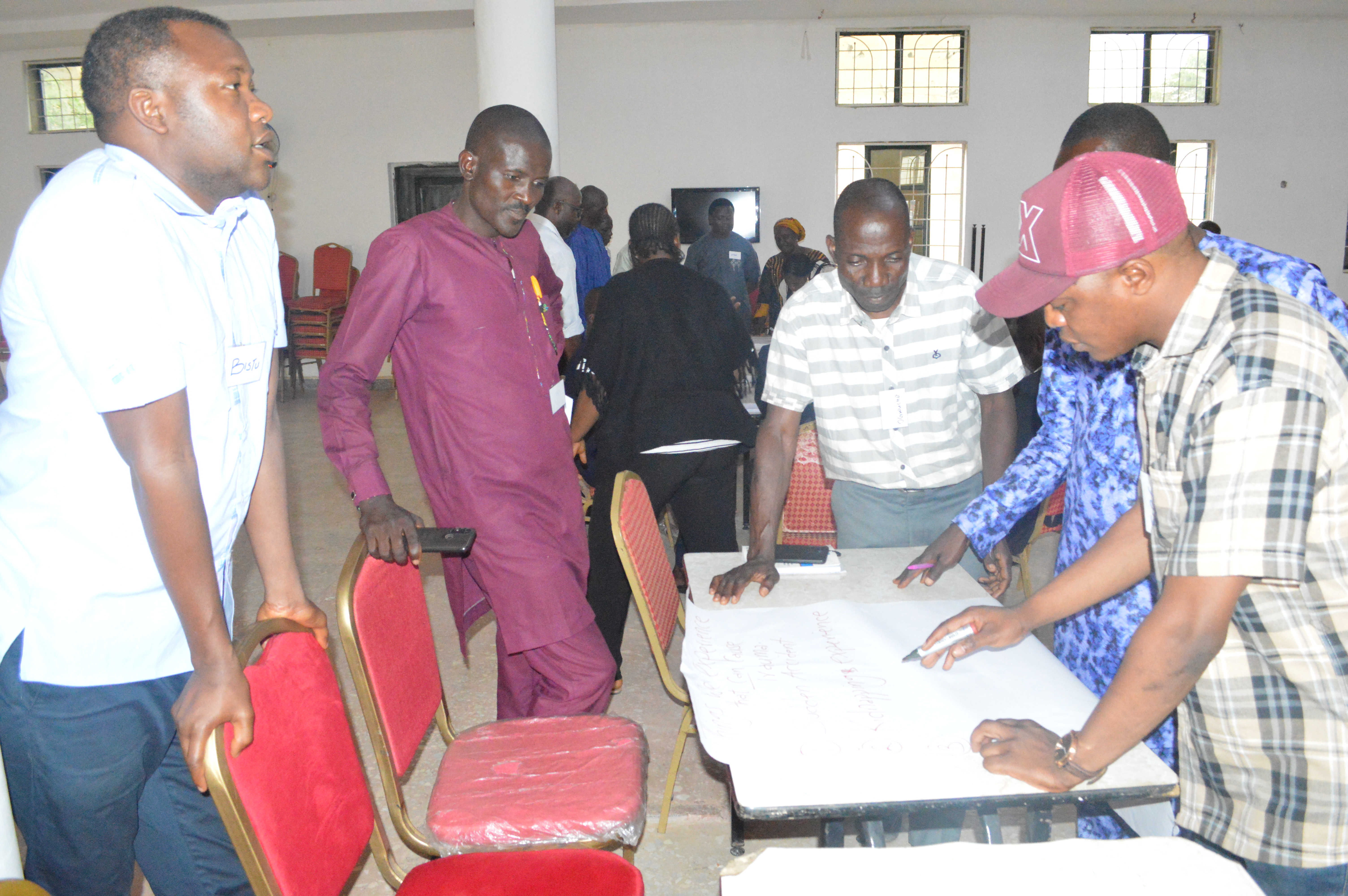
The training will adopt the practical experiential learning approaches which include group work, brainstorming sessions, power-point presentations, role plays/simulations, case studies and participants’ action plan.

The training Participants include the following: Secondary School Students, University Students, Community Leaders, Youth Leaders, Women Leaders, Religious and Traditional Leaders, Development and Social Workers, Peace Building Practitioners, Heads of Organizations/Institutions etc.

STEP DOWN TRAINING

Step down training conducted by PeTCAAN alumni members from the south-south Nigeria in Akwa Ibom State, for the Mennonite church leaders on conflict transformation and peace building towards promoting peaceful co-existence and sustainable development.

STEP DOWN TRAINING

Step down training conducted at St. Patrick Catholic church Gindiri, in Jos Plateau State on Trauma awareness, healing, selfcare and community resilience, this is in fostering and promoting community resilience and coping mechanisms by individuals and communities to help one another.

STEP DOWN TRAINING

Step down activity carried out by Rev. Fr. Michael Gokat on early warning and early response, how do individuals and communities respond to warning signs that eventually leads to emergencies and how these emergencies can be averted, what measures should be put in place to avoid such emergencies.

INTERACTIVE SESSION

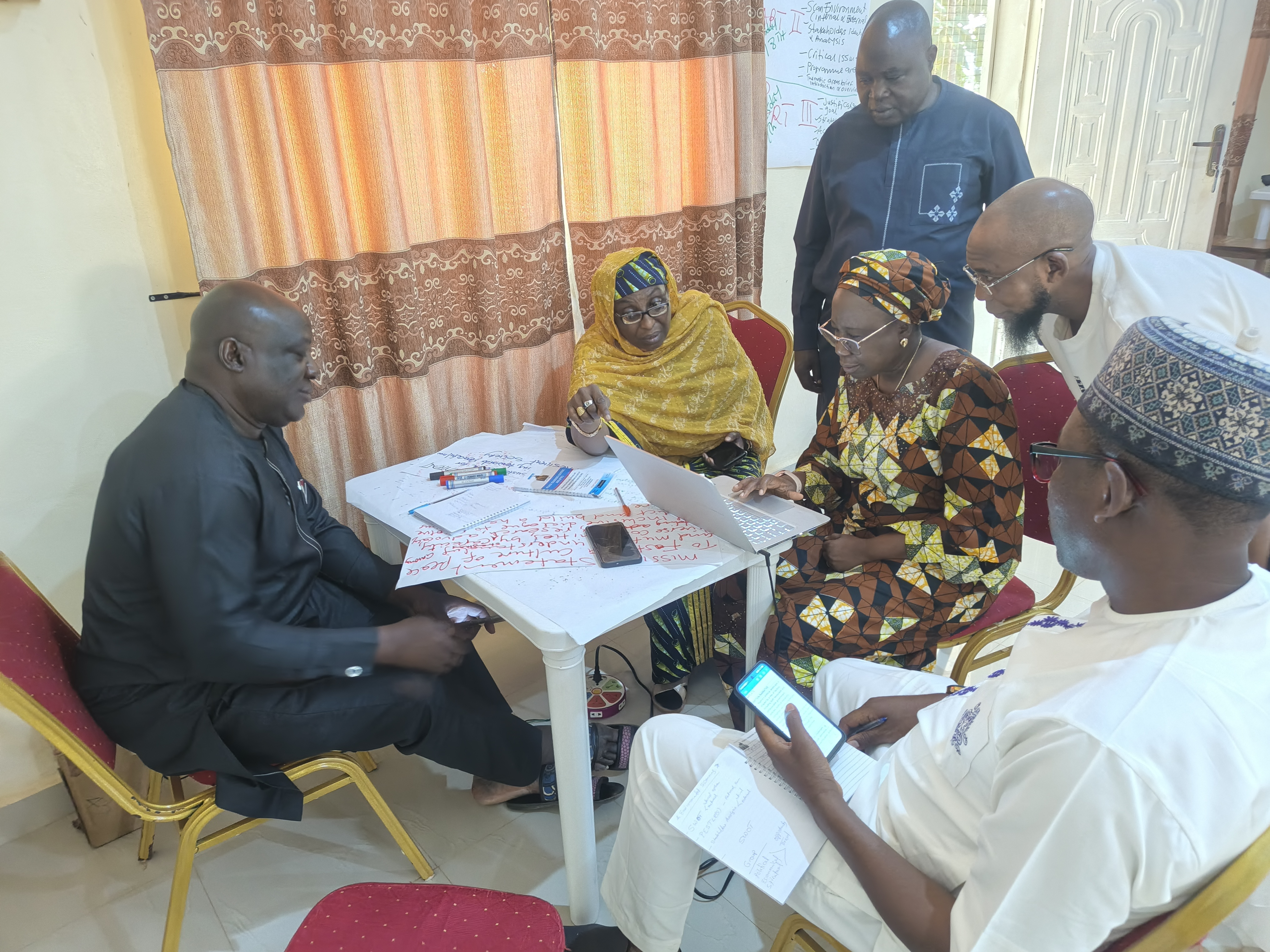
The management of PTC went for an interactive session with the northeast alumni members, on putting strategies in place to better strengthen the group and finds ways for more collaboration with other state and non-state actors in their location and encourage networking with one another despite their different communities and organisations. There were presentation of action plans for future activities to be implemented and a presentation on Lifeskills (behaviours in groups) using the Johari's window approach.

INTERFAITH DIALOGUE

Interfaith dialogue session in collaboration with the Women Initiative for Sustainable Development (WISCOD) led by one of our alumni member, to promote interfaith relations and identity conflict, thereby fostering a healthier community irrespective of diverse cultural and religious beliefs.

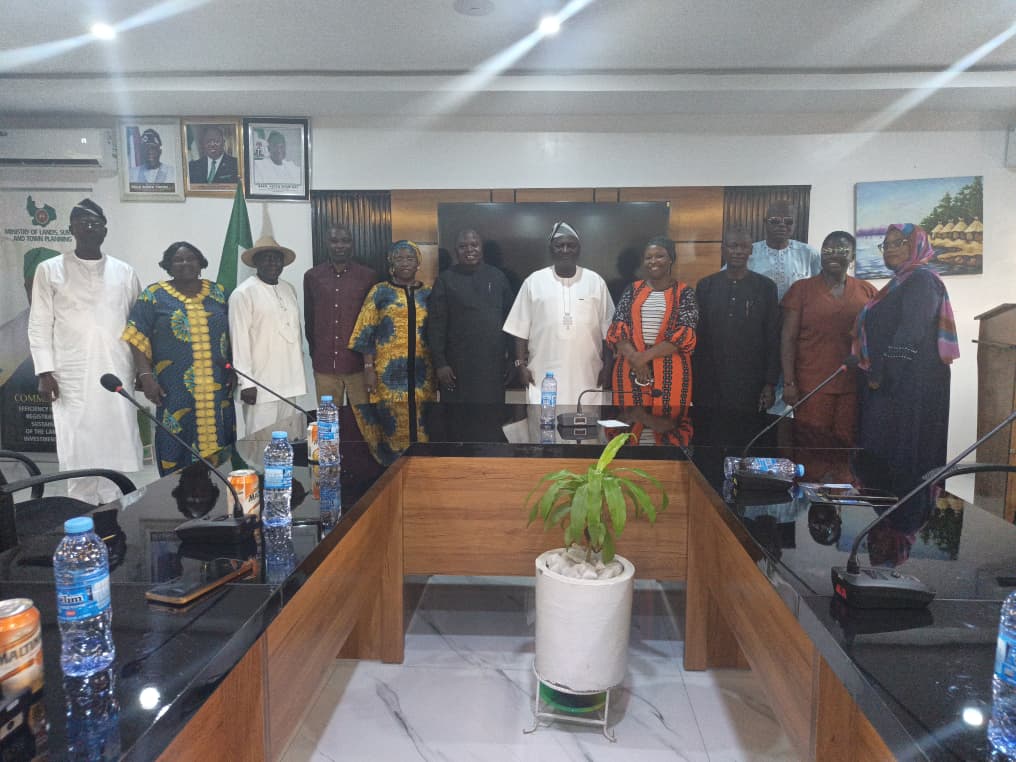
WELCOMING COUNTRY DIRECTOR MISSION 21

The management staff of PTC welcomed the Country director of Mission 21 and the program coordinator of Mission 21 during their visit for experience sharing and exchange of ideas with the alumni members of the Centre, this activity was aimed at understanding the impacts, successes, challenges and possibly gaps/loopholes for a better partnership with Mission 21 this is was geared at improving the impacts already established and achieved by the centre in most of the communities on the plateau